
Imagine a small cafe owner who reduced SARS-CoV-2 transmission by 30% through strict disinfection practices. You can achieve similar results by focusing on three key areas: selecting EPA-registered disinfectants, thoroughly cleaning high-touch surfaces, and establishing systematic schedules for shared spaces. But how do you guarantee your employees are properly trained and compliant with these protocols? And what steps can you take to foster a culture of accountability? Understanding these elements is vital for maintaining a clean and safe business environment. Let’s explore the effective strategies you can implement.
Understanding Virus Transmission
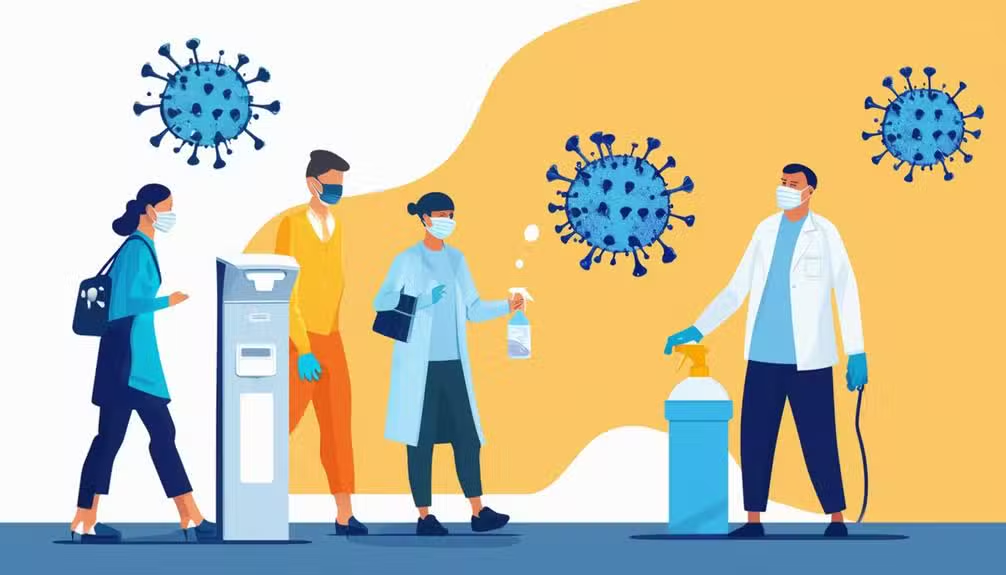
Understanding virus transmission involves recognizing how SARS-CoV-2, the virus responsible for COVID-19, spreads through respiratory droplets, surfaces, and aerosols. When an infected person coughs, sneezes, or talks, they release respiratory droplets that can directly enter the mucous membranes of others nearby. Aerosols—smaller particles that can linger in the air for extended periods—also contribute to virus spread, especially in poorly ventilated areas.
Additionally, touching contaminated surfaces and then touching your face can facilitate indirect transmission.
To curb virus spread effectively, you need to implement thorough prevention methods. Encouraging mask-wearing significantly reduces the expulsion of respiratory droplets. Social distancing minimizes close contact, thereby decreasing the likelihood of inhaling aerosols. Enhancing ventilation in indoor spaces helps dilute viral particles in the air, making transmission less likely.
Regular hand hygiene—including washing with soap and water or using hand sanitizer—is essential for mitigating surface transmission. Educating your staff and clients about these measures fosters a community-wide commitment to health and safety.
Choosing the Right Disinfectants
Selecting effective disinfectants is important for guaranteeing a safe and pathogen-free environment in your business. Choosing the right products involves understanding the disinfectants’ efficacy against viruses—particularly SARS-CoV-2. Look for EPA-registered disinfectants that meet hospital-grade standards. These products should provide broad-spectrum activity and rapid contact times to minimize downtime. Proper application is essential for ensuring these disinfectants work as intended.
When selecting disinfectants consider:
- Efficacy: Confirm the disinfectant is proven effective against SARS-CoV-2 and other pathogens.
- Surface Compatibility: Validate that the disinfectant is safe for your specific surfaces to avoid damage.
- Contact Time: Check the required contact time for the disinfectant to be effective and plan accordingly.
- Safety Precautions: Review safety data sheets (SDS) for each product to understand necessary protective measures for your staff.
Incorporate these best practices into your disinfection routine to maintain a safe environment for both employees and customers. Prioritize products that align with your operational needs and follow manufacturer instructions meticulously. By doing so you’ll protect everyone in your business while demonstrating a commitment to public health.
High-Touch Surface Protocols

A high-contact surface procedure is crucial for minimizing pathogen spread in your business setting. Implementing these procedures involves both effective surface wiping methods as well as rigorous disinfection frequency protocols . High-contact surfaces include door handles light switches elevator buttons countertops etc., which require meticulous attention due their frequent contact multiple individuals throughout day-to-day operations .
To achieve optimal outcomes use EPA guidelines approved coronavirus-effective wipes when applying them employ techniques covering entire area starting from cleanest dirtiest avoiding cross-contamination sufficient amount keeping visibly wet recommended dwell time ensuring pathogen elimination .
Disinfection frequency aligned level traffic usage facility high traffic areas might necessitate wiping multiple times day less frequented spaces may require less frequent disinfection .
Regularly scheduled cleaning procedures should include both routine deep cleaning maintaining hygienic environment .
Disinfecting Shared Spaces
Disinfecting shared spaces involves implementing systematic approach sanitize conference rooms break restrooms frequented multiple individuals throughout day make certain remain safe establish rigorous schedules protocols.
Effective schedule should include:
- Frequency: Determine often each space needs based usage high traffic areas may require multiple cleanings per day.
- Products:< / strong Use EPA-approved coronavirus-effective follow manufacturer's instructions dilution application contact time.
- < strong Method:< / strong Employ techniques maximize coverage effectiveness electrostatic sprayers manual wiping microfiber cloths.
- < strong Documentation:< / strong Keep detailed logs activities guarantee compliance identify needing more attention.
<H3 Employee Training Compliance H3
<P Regularly training employees on disinfection protocols vital ensure compliance uphold workplace environment Effective guarantees every comprehends critical nature reducing risk Training reinforcement periodic refreshers practical demonstrations strengthens adherence established Emphasize real-world consequences non-compliance concerning health risks potential operational disruptions Maintain consistency conduct regular checks audits systematic evaluations pinpoint gaps adherence provide opportunities corrective Utilize checklists standardized assessment tools during maintain objectivity thoroughness Integrating checks routine deviations early address promptly Moreover cultivate culture Encourage ownership role sanitized Regular feedback sessions open channels reporting foster proactive approach Monitoring Adjusting Practices Consistent monitoring timely adjustments crucial guarantee effectiveness adapt evolving mitigation guidelines evaluation current confirms meeting exceeding standards set authorities Leveraging data evaluations allows continuous improvement securing safe both customers To effectively monitor adjust consider following steps Perform routine audits Conduct inspections cleaning protocols effectiveness identify needing improvement Utilize feedback mechanisms Gather input perceived cleanliness inform adjustments Stay updated guidelines Review updates CDC WHO ensure latest recommendations Implement corrective actions Based findings make necessary changes strategies promptly Conclusion Despite irony microscopic bring global knees dedication stringent indeed turn tide choosing registered thoroughly maintaining systematic schedules just following safeguarding future Training fostering guarantees compliance regular keeps efforts Ironically smallest actions biggest difference protecting enterprise If looking detailed guidance professional help invite visit Eco Pro Restoration ecoprorestoration com give call delighted assist ensuring remains resilient