
Is your home really as safe as you think? Water damage often sneaks in unnoticed, leaving a trail of hidden dangers that can wreak havoc on your property. From the lurking threat of mold growth to the silent compromise of structural integrity, these issues don't just threaten your home; they can impact your health and finances as well. You might be surprised to learn how quickly these problems can escalate, and understanding the full scope of risks can make all the difference in protecting your investment. What should you be aware of before it's too late?
Mold Growth Risks

Although water damage might seem like a minor issue, it can quickly lead to serious mold growth risks in your home.
Even small leaks can create an environment where mold thrives, especially on organic materials like wood and drywall. To combat this, you should implement effective mold prevention strategies, such as ensuring proper ventilation and maintaining low humidity levels. Excess moisture can lead to indoor mold spores, making it crucial to address any water issues promptly.
If you suspect mold growth, acting fast with mold remediation techniques is essential. Addressing water damage within 24 to 48 hours can prevent mold from taking hold.
Regular inspections of vulnerable areas, like basements and attics, allow you to catch issues early, safeguarding both your health and your property from the adverse effects of mold.
Structural Integrity Compromise
Water damage doesn't just invite mold; it can also substantially compromise your home's structural integrity. When water seeps into the foundation, it creates cracks and weakens the entire building's support. Hydrostatic pressure can cause foundation walls to bow, leading to leaks. Erosion and poor drainage exacerbate these issues, prompting soil settlement.
In your wooden structures, water absorption leads to swelling, warping, and eventual rotting of load-bearing beams. Prolonged exposure can corrode metal supports, reducing their strength. Foundation damage can occur if prolonged exposure to moisture is not addressed.
To protect your home, schedule regular foundation inspections and structural assessments. Look for signs like cracked concrete floors or uneven surfaces. Addressing these issues promptly can prevent costly repairs and guarantee your home's safety for years to come.
Electrical Hazards
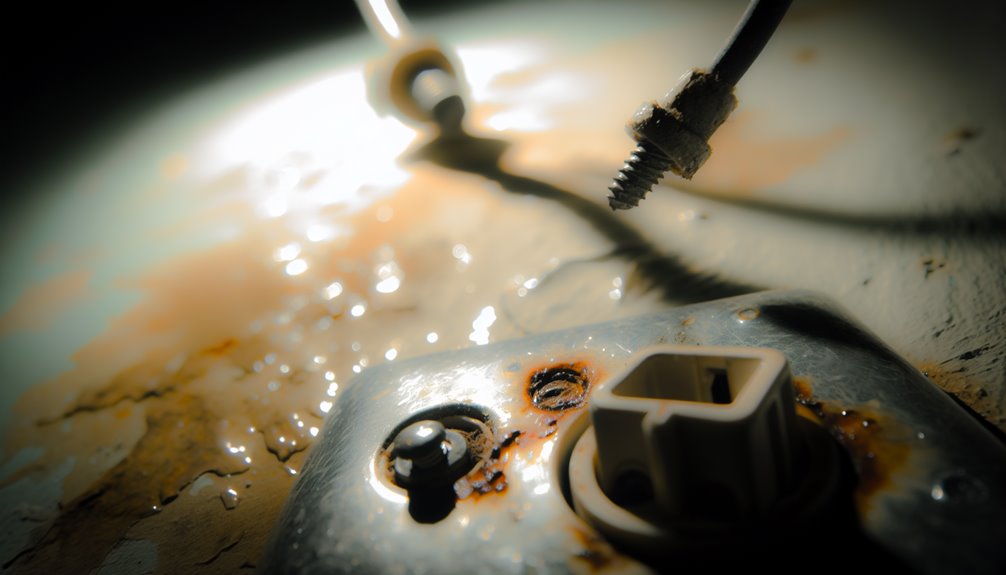
Electrical hazards arising from water damage can pose serious risks to your home and safety.
Water creates conductive paths, leading to short circuits that can damage appliances and ignite electrical fires. Overheated wires increase the potential for fires, while standing water heightens electrocution risks.
Even if outlets aren't in use, wet surfaces can carry an electrical current, making it essential to stay vigilant. If you notice tingling sensations or signs of compromised wiring, act immediately.
Shut off power at the main breaker to prevent further damage. Regular inspections and preventative measures, like GFCI outlets, can safeguard your electrical system and greatly reduce the dangers associated with water damage.
Your proactive approach can protect both your home and loved ones.
Pest Infestations
The presence of moisture in your home not only leads to electrical hazards but also creates an inviting environment for a variety of pests. High humidity and leaks attract unwanted guests like cockroaches and termites, which thrive in damp conditions.
To combat this, you need effective pest prevention strategies and moisture control techniques. Start by eliminating standing water and fixing any leaks immediately. Seal gaps around windows, doors, and utility lines to block entry points.
Regular inspections can help identify any signs of infestation early, such as shredded materials or dead pests. Additionally, maintaining clean environments, especially near plumbing access, and trimming vegetation around your property can greatly reduce pest attraction, ensuring a healthier home for you and your family.
Health Issues

When moisture infiltrates your home, it doesn't just create structural issues; it poses serious health risks as well.
You mightn't realize that water damage can lead to respiratory infections, particularly for those with existing conditions like asthma. Mold growth can trigger symptoms like sneezing and chest pain, making breathing difficult.
Additionally, contaminated water can expose you to bacteria like E. coli, resulting in gastrointestinal symptoms such as diarrhea and stomach cramps. These health issues can escalate quickly, especially for vulnerable individuals, requiring medical attention.
By addressing water damage promptly, you not only protect your home but also safeguard the health and well-being of everyone living in it.
Prioritize prevention to guarantee a safer environment for all.
Decreased Property Value
Water damage not only jeopardizes health but also greatly impacts your property's value. Affected homes can see market value reductions of up to 25%, which can deter potential buyers and lead to lower offers.
Properties with a history of water damage typically sell for 15% less than comparable homes without such issues. This negative perception can prolong market time, increasing carrying costs.
Immediate restoration is vital to mitigate these financial impacts and preserve value. Consulting a real estate agent for property appraisals can help you understand how water damage affects your home in relation to current market trends.
Taking proactive measures guarantees you maintain your property's appeal and value in a competitive market.
Insurance Complications

Managing insurance complications after experiencing water damage can be intimidating, especially since coverage often hinges on specific conditions. Understanding your insurance claims and coverage limitations is vital.
Here are key points to reflect on:
- Sudden vs. Gradual Damage: Only sudden and accidental damage is typically covered.
- Flood Coverage: Standard policies don't cover flood damage; separate insurance is required.
- Neglect Exclusions: Damage from maintenance issues or mold due to neglect isn't covered.
- Role of Adjusters: They assess the cause of damage and your policy, determining eligibility for claims.
Being proactive about these factors can help you navigate the complexities of your insurance and guarantee you're adequately protected against water damage.
Long-Term Repair Costs
Understanding long-term repair costs after water damage is essential for homeowners, as expenses can escalate quickly depending on the severity of the situation.
Minor damage may cost between $1,200 and $3,500, while moderate damage can run from $3,500 to $7,500. Severe cases can exceed $15,000, especially when structural repairs are needed.
To effectively manage these financial burdens, you should develop thorough repair strategies and conduct accurate cost estimations. Early intervention is key; addressing issues like foundation weakening and wall deterioration promptly can prevent further complications and escalating costs.
Regular inspections and implementing waterproofing solutions can also safeguard your home from future water damage, ultimately preserving your investment and ensuring safety for your family.
Conclusion
In the battle against water damage, ignoring the hidden dangers is like letting the Trojan Horse into your home. Mold, structural issues, and electrical hazards can silently wreak havoc, threatening your health and property value. By addressing moisture problems quickly, you can shield your home from these insidious threats. Remember, a proactive approach not only preserves your sanctuary but also saves you from costly repairs down the line. Don't wait until it's too late—act now to protect your investment.
If you're looking for more information on how to safeguard your home from water damage, I invite you to visit Eco Pro Restoration at ecoprorestoration.com. You can also call us at (410) 645-0274. We're here to help you navigate these challenges and keep your home safe and sound!