
When dealing with basement flood cleanup, your first step is to thoroughly assess the situation, looking for water lines, moisture levels, and any structural damage. It’s important to ensure safety by turning off electricity, wearing protective gear, and checking for compromised integrity before you enter. Quickly removing standing water with a wet/dry vacuum or sump pump is essential, especially in areas where water may have pooled the longest. To prevent mold growth, you’ll need to dry and dehumidify the space, keeping humidity levels below 50%. Now, how do you tackle cleaning and disinfecting all those surfaces effectively?
Assess the Situation
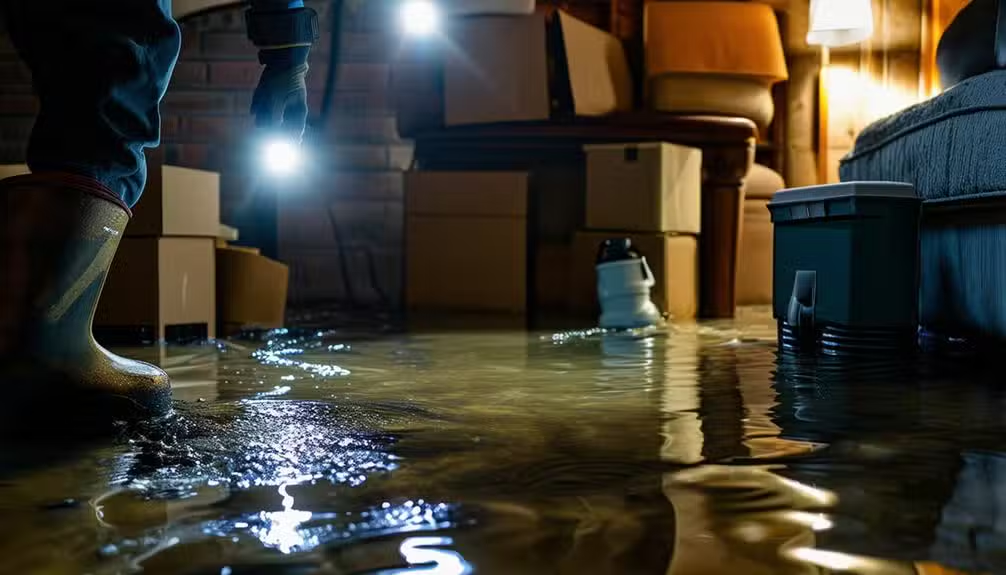
Before you begin any cleanup, it’s important to assess the situation to determine the extent of the flooding and any potential hazards.
Start by inspecting the basement thoroughly. Look for visible water lines on the walls and note the depth of the water. Use a moisture meter to measure moisture levels in different areas. This tool will help you identify spots that are still damp but may not appear wet to the naked eye.
Next, check for any structural damage. Examine the walls, floors, and support beams for signs of cracking, warping, or weakening. Pay particular attention to areas where water may have pooled the longest. Look for bulging walls or sagging ceilings as these could indicate serious issues that might compromise the integrity of the structure.
Document your findings by taking photos and notes. This record will be invaluable if you need to consult professionals or file an insurance claim.
Ensure Safety First
After evaluating the situation prioritize safety by turning off electricity to prevent electrical hazards. Locate your home’s main electrical panel and switch off circuit breakers supplying power to affected areas. If you’re unsure or unable to access it safely contact a licensed electrician immediately.
Next equip yourself with appropriate protective gear. Wear rubber boots gloves and a face mask to shield yourself from contaminants in floodwater. Depending on severity consider using waterproof overalls and safety goggles minimizing exposure risks including sewage chemicals debris.
Ensure you have emergency contacts. In case of severe flooding structural damage health risks immediate assistance from professionals might be needed keep contact information local emergency services utility company reliable plumber readily available.
Before entering inspect for structural damage look cracks walls foundation ceiling significant damage evacuate seek professional help always prioritize safety proceed caution mitigate risks associated basement flooding.
Remove Standing Water

Once you’ve confirmed area safe start removing standing water using wet/dry vacuum sump pump buckets prioritize speed mitigate mold growth structural damage if using wet/dry vacuum make sure rated water extraction empty frequently maintain efficiency deploying sump pump position lowest point maximize removal discharge hose directs away foundation prevent re-entry opting buckets work systematically starting deepest moving outward labor-intensive effective smaller spaces equipment unavailable throughout process stay vigilant signs warping cracks document insurance purposes future repairs rapidly removing important prevention mold develop within 24-48 hours speed thoroughness ensure all removed smoothly shift next steps drying dehumidifying essential complete restoration.
Dry and Dehumidify
With all standing water removed immediately begin drying process using fans dehumidifiers eliminate moisture air surfaces position high-capacity fans around room promote air circulation direct airflow towards walls floors damp areas consistent current expedite drying help prevent mold growth set up dehumidifiers draw excess air use commercial-grade units possible offer higher efficiency place centrally periodically empty collection containers aim maintain relative humidity below 50% effectively belongings move dry area items like furniture carpets personal possessions retain susceptible relocate elevate ground position blow directly monitor frequently use meter make sure affected uniformly proactive approach helps protecting belongings safeguards structural integrity basement.
Clean and Disinfect

