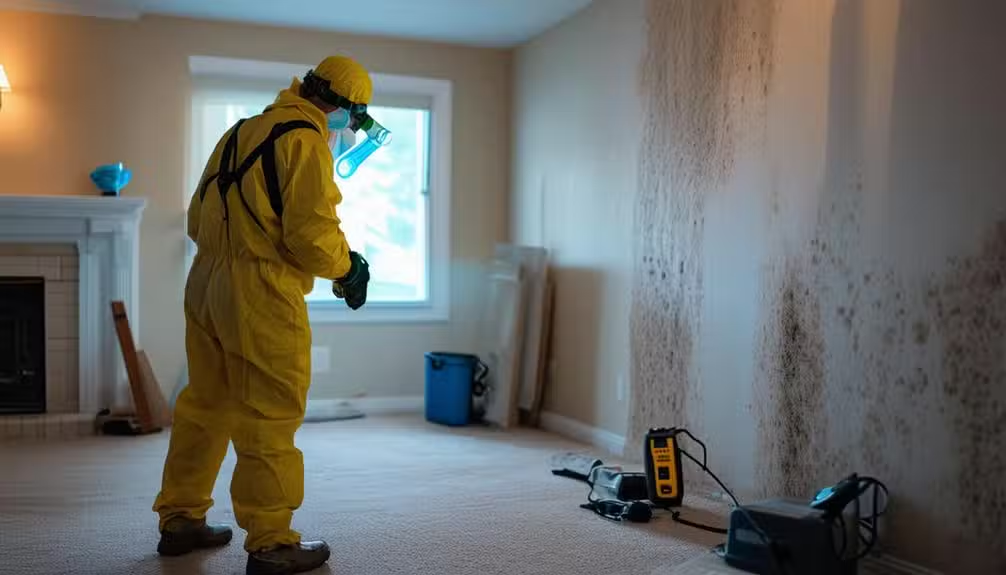
Restoring your home after mold removal involves several important steps to ensure your living space is safe and comfortable again. You’ll start by evaluating the damage and determining what needs repair or replacement. Cleaning and disinfecting all affected areas is crucial, but it’s not the end of the process. You’ll also need to dry out the area thoroughly and address any structural issues that may have allowed mold to thrive in the first place. Wondering what comes next to make your home mold-resistant for the long haul? Let’s explore the steps that will keep mold at bay and restore your home to its pristine condition.
Assess the Damage
Before you can start restoring your home, it’s important to carefully assess the damage caused by the mold infestation. Start with a detailed damage evaluation to understand the extent of the impact. This step is crucial because it dictates the restoration process and guarantees that no mold is left behind to cause future issues.
Begin with a thorough mold inspection. Look for visible signs of mold growth, such as discoloration on walls, ceilings, and floors. Check hidden areas like under carpets or inside HVAC systems, as mold often thrives in dark, damp places. It’s advisable to seek professional help for this inspection. Professionals can use advanced tools like moisture meters and infrared cameras to detect mold that mightn’t be visible to the naked eye.
Document the affected areas by taking photographs and notes. This documentation will be invaluable when communicating with restoration experts or filing insurance claims.
Clean and Disinfect
To effectively restore your home after mold removal, start by thoroughly cleaning and disinfecting all affected surfaces to eliminate residual contaminants and prevent future growth. Use high-quality cleaning products specifically designed for mold prevention.
Begin with non-porous surfaces like countertops, tile, and metal fixtures, scrubbing them with a solution of water and detergent. For areas with persistent mold stains, you might need a commercial mold cleaner or a diluted bleach solution. Always follow the manufacturer’s instructions for safe and efficient use.
Next, focus on semi-porous materials such as wood and drywall. These may require a specialized fungicide to penetrate and eliminate mold spores efficiently. Be diligent in reaching every nook and cranny, as mold can hide in small spaces.
For fabric items, consider laundering them with hot water and a mold-killing detergent or discarding items that are heavily infested.
After cleaning, use a disinfectant spray on all surfaces to guarantee no mold spores remain. This step is essential for ongoing mold prevention.
Dry the Area
Once you’ve thoroughly cleaned and disinfected affected areas, it’s essential to dry them completely to prevent any lingering moisture from fostering new growth.
Start by using high-powered fans to increase air circulation and expedite drying processes strategically covering all parts of affected areas.
Nex,t dehumidify properly by setting up dehumidifiers removing excess moisture from air monitoring humidity levels aiming relative humidity below 60% preventing molds using hygrometer keeping track accurately ensuring thorough complete drying paying special attention hidden spots behind walls under floors inside air ducts harbor moisture immediately visible promoting molds additionally opening windows doors enhancing ventilation mindful weather conditions reintroducing moistures possible using meters verifying surfaces dry moving next steps
<Once confirming dried addressing structural compromised weakening integrity homes foundation repairs reinforcements essential restoring processes inspecting foundations cracks damages finding addressing promptly preventing further deteriorations assessing needs reinforcements degrading wooden beams joists supports strengthening ensuring remains safe stable consulting engineers contractors evaluations appropriate solutions controlling critical preventing futures installing waterproofings sump pumps vapor barriers proper drainage systems keeping moistures away foundations walls ensuring ventilations prone dampness basements crawl spaces maintaining dry environments replacing damaged materials crucial restoring integrity maintaining healthy environments effectively removing assessing extents various materials drywall insulation carpeting woods compromised replaced preventing futures securing soundness starting restorations carefully removing disposing handling precautions avoiding spreading spores other employing protective gears gloves masks sealed plastics disposals focusing replacements choosing high-quality resistant recurrences opting resistant insulations antimicrobial-treated carpets ensuring installations correctly guaranteeing longevities effectiveness repaint decorating revitalizing living spaces selecting schemes complement existing decors enhancing rooms natural lights neutral tones creating soothing environments bold colors injecting energies optimizing functionalities flows arranging encouraging social interactions making availabilities lighting options mixes ambient tasks accents transforming ambiances incorporating accents reflecting styles providing visual interests tips getting started cohesive palettes tying rearranging improving flows functionalities layered creating warm inviting atmospheres incorporating throws rugs artworks multifunctional maximizing utilities improving ventilations vital maintaining healthy-free environments removals improving circulations settling evaluating prones humidities bathrooms kitchens basements installing exhausts significantly decreasing ventings outsides ensuring functioning efficiently regularly replacing filters considering dehumidifying keeping indoors between 30-50% ideal minimizing openings allowing fresh circulating simple actions greatly improving qualities reducing excesses overlooking importances ceilings portables devices circulatings naturals limited attics proper ventilating theres importants installings vents expelling hots humidities decreasing risks developments monitoring recurrences regular inspections guaranteeing long-term successes remediations staying alert catching potentials early prompt actions becoming significants implementing routines identifying reinforcing previous efforts visual inspections checking previously affecteds damps poorly ventilated spots humidity levels hygrometers monitorings odors detections musty smells indicating even visibles moistures controls inspect plumbings leaks guaranteeing spills cleaned promptly professionals check-ups scheduling periodics remediators catching overlooked implementing preventatives measures addressing roots focusing controls eliminating sources essentials enhancing circulatings exhausts reducing openings regularly allowing freshes circulating keeps dries discouraging monitorings indoors aiming below 60% ranges between 30-50% dehumidifying damps basements crawls consistently considering resistants paints buildings especially high-moisture regular clean inspecting prones unders sinks behind appliances catching potentials early concluding thinking living breathing entities thriving cared diligences fixing damages ensuring health longevities cleans disinfects dries repairs precisions replaces repaints futures minds eyes signs creeping backs standing strong-free ready shelters questions professionals visiting Eco Pro Restoration ecoprorestoration.com calling (410) 645-0274 helping ensures stays safes healthies