
When it comes to mold remediation and removal in Maryland, understanding the basics can make a significant difference in maintaining a healthy home. You’ll need to grasp why mold grows, how to spot it early, and the potential health risks involved. With the right knowledge, you can decide whether to tackle it yourself or call in the professionals. But before you jump into action, it’s vital to recognize the steps that will guarantee effective and lasting results. So, what are these steps, and how can you implement them successfully?
Understanding Mold Growth
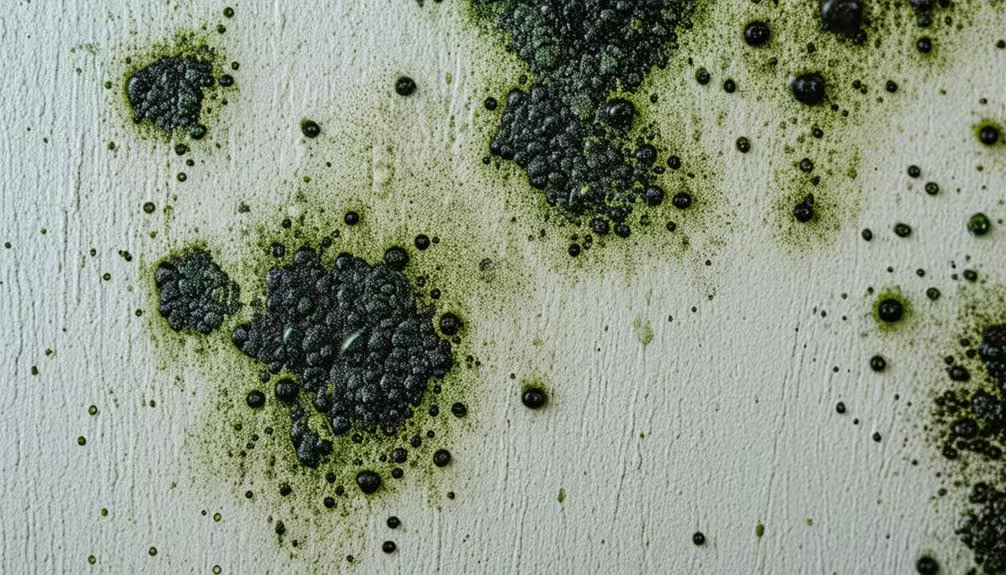
To effectively handle mold remediation, you first need to understand that mold thrives in environments with moisture, organic material, and poor ventilation. Moisture control is vital to mold prevention. You should regularly inspect areas prone to dampness such as basements, bathrooms, and kitchens. Make sure that leaks are promptly fixed and that condensation is minimized by using dehumidifiers and exhaust fans.
Mold spores are widespread, floating in both outdoor and indoor air. While it’s impossible to eliminate all mold spores, you can control their growth by maintaining low humidity levels—preferably between 30-50%. Use air conditioners and dehumidifiers to keep the indoor environment dry. Regularly clean and maintain HVAC systems to ensure they’re not circulating mold spores.
Address any sources of water intrusion immediately such as roof leaks or plumbing issues. Proper ventilation is also essential; make certain that areas like bathrooms and kitchens have adequate exhaust systems that vent outside—not into the attic or crawl space.
Identifying Mold in Your Home
Recognizing the signs of mold in your home is vital for timely remediation and involves inspecting visible surfaces, detecting musty odors, and noting any increase in allergy-like symptoms among occupants. Start with a thorough home inspection focusing on areas prone to moisture such as basements, bathrooms, and kitchens. Look for discoloration on walls, ceilings, and around windows. Mold can present as black, green or white spots—and sometimes as fuzzy patches.
Next trust your nose—a persistent musty odor especially in enclosed areas often indicates mold growth. Don’t ignore this smell even if you can’t see mold; it may be hidden behind walls or under flooring.
Additionally if household members suddenly experience unexplained allergy-like symptoms—such as coughing sneezing or skin irritation—consider mold as a potential culprit.
For a definitive assessment conduct professional mold testing which can identify the type & concentration of spores guiding remediation efforts.
Always document findings during your home inspection & consult with a specialist if signs are detected; early identification & action are essential for maintaining healthy living environments.
Health Risks of Mold Exposure

Mold exposure leads various health issues including respiratory problems allergic responses & long-term illnesses; inhaled spores trigger allergies appearing sneezing coughing watery eyes etc…
<
Mold allergies prevention focuses on maintaining clean dry settings using HEPA filter air purifiers crucially important individuals asthma pre-existing conditions risk worsened symptoms severe respiratory problems immediate treatment involves moving affected individual administering prescribed inhalers medication persistent exposure requires consulting healthcare provider personalized treatment plan weakened immune systems chronic lung conditions face increased risk developing severe complications infections prevention regular inspections prompt remediation necessary ensuring safe living environments safeguard everyone household educate members dangers stress significance early intervention aware health risks taking preventive measures greatly decrease chances negative effects exposure
DIY Mold Remediation Steps
<
<P Effective DIY requires systematic approach thorough removal prevent recurrence start donning personal protective equipment gloves goggles N95 respirator safeguard yourself seal off area plastic sheeting prevent spreading begin identifying eliminating moisture source thrives damp conditions use dehumidifier reduce humidity levels repair leaks promptly surface cleaning mix one cup bleach one gallon water scrub surface solution stiff brush ensure proper ventilation opening windows fans porous materials drywall carpet removal replacement might necessary penetrates deeply after cleaning use HEPA vacuum capture residual dispose contaminated sealed plastic bags guarantee long-term prevention maintain indoor below fix immediately exhaust fans kitchens bathrooms regularly inspect prone accumulation </P
<h2 Professional Services </H
<DIV class body-image-wrapper margin-bottom 20px img loading lazy decoding async width 1006 height 575 src https seosynd com wp-content uploads effective options aspect-ratio alt effective options </DIV
<P facing widespread infestations hard-to-reach hiring guarantees thorough safe professionals begin detailed inspection identify affected step important mapping scope work making sure hidden colonies left untreated following conducted determine type informs strategy once identified utilize specialized equipment industry-approved techniques safely high-efficiency particulate air vacuums antimicrobial treatments negative machines commonly employed capture prevent spread technicians wear personal protective equipment PPE guarantee safety minimize cross-contamination vital trust experienced follow Environmental Protection Agency EPA guidelines industry standards they'll remove address root cause intrusion ensuring long-term solution hiring experts saves time reduces restores integrity property effectively confident problem handled utmost expertise care </P
<H Preventing Future Outbreaks H
<P future outbreaks important address control indoor levels remain below proper moisture control essential here some detailed steps take Implement Ventilation Solutions Verify adequate high-moisture areas Use effectively Choose Resistant Building Materials renovating constructing spaces opt resistant options Materials drywall insulation paints greatly reduce likelihood growth Regular Maintenance Inspections Conduct routine identify repair promptly Regularly clean maintain HVAC systems buildup Conclusion By understanding identifying recognizing taking DIY professional equipped tackle head-on inspections detection best defenses Follow guidelines guarantee safe-free environment protect health preserve home's integrity future outbreaks Embrace practices maintain healthier safer living space Maryland If want learn more need professional invite visit Eco Pro Restoration ecoprorestoration com give us call (410) 645-0274 We're help ensure information support need free home