
When water hits a Baltimore property, it can feel like a flood of a thousand problems at once, but you’re not alone. You’ll get a 24/7 dispatch that confirms your location, source, and safety, then sends IICRC‑certified crews with ETA updates. Expect immediate triage: shutoffs if safe, containment, and hazard checks. On arrival, they’ll map moisture, extract, and start engineered drying with documentation. Before that truck pulls up, there are a few critical steps you should take…
Immediate Steps to Take Before the Crew Arrives
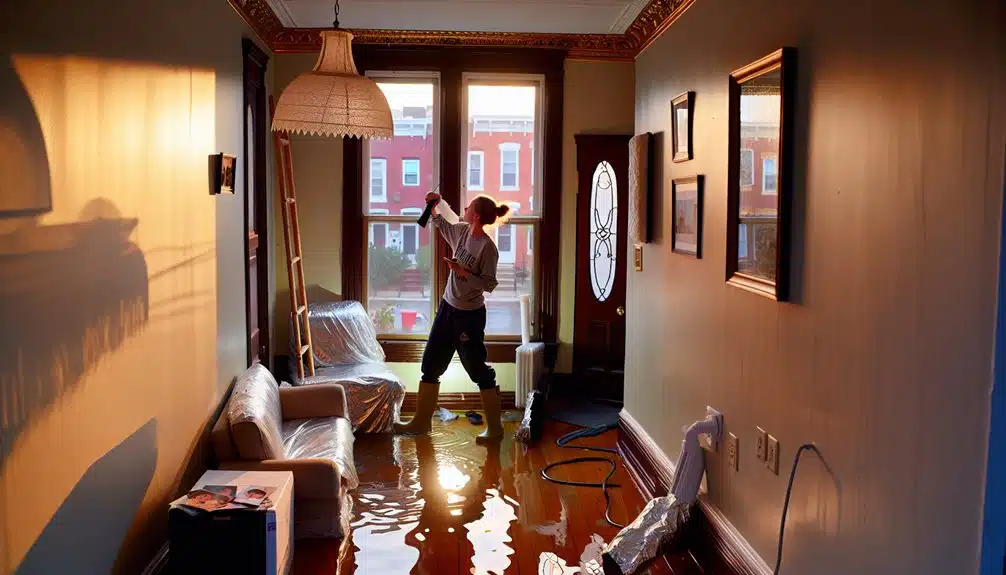
Before the restoration crew arrives, prioritize safety and prevent further damage. Confirm an electricity shutoff if water is near outlets or appliances; if safe, turn off breakers or the main. Close the water supply valve to stop intrusion. Document conditions with photos for insurance. Remove valuables from wet areas and elevate furniture on blocks. For pet safety, crate animals or relocate them to a dry, ventilated room. Avoid walking on sagging floors or under bulging ceilings. Isolate contaminated water zones and wash hands after contact. Improve airflow by opening windows if weather permits. Share a room-by-room damage list with onsite personnel.
How the 24/7 Dispatch and Rapid Response Works
Typically, the 24/7 dispatch process starts the moment you call or submit an online request: a live coordinator verifies your location, water source, category (clean, gray, or black), power status, and site safety. Your details generate a service ticket with timestamps, notes, and photos if available. We initiate fast dispatch using GPS routing and Baltimore coverage zones. Simultaneously, technician coordination assigns IICRC-certified crews, matching equipment to loss category and square footage. You receive an ETA and contact method. We confirm access instructions, building policies, and any HOA requirements. En route, the crew receives updates to align staffing, logistics, and documentation.
On-Site Safety Checks and Damage Assessment

With your ETA confirmed, the crew arrives and initiates a structured safety check and damage assessment. They verify scene safety, shut off affected circuits at the panel if needed, and screen for slip, trip, and biohazard risks. They document conditions per IICRC S500 and local codes, prioritize hazard mitigation, and establish controlled access.
You’ll see calibrated meters and thermal imaging used for moisture mapping, including baseboards, cavities, and subfloors. Technicians categorize water, define affected classes, and record readings for chain-of-custody. They photograph materials, note pre-existing damage, and outline stabilization steps. You’re briefed on findings, protective measures, and next actions before work zones are posted.
Water Source Control and Leak Mitigation
Stop the intrusion at its origin to prevent further damage and contamination. You’ll identify the source, verify utility shutoff locations, and isolate affected lines per Baltimore code. Close main valves, cap open lines, and tag controls to maintain chain of custody. Document meter readings and visible flow paths. Perform pressure testing on isolated segments to confirm cessation and locate concealed leaks without overpressurizing legacy piping. Use thermal imaging and acoustic tracing to map moisture migration. Install temporary containment and backflow prevention where required. Coordinate with your insurer and the utility for safe restorations. Record actions, timestamps, and photos for compliance.
Extraction Equipment and Techniques Used in Baltimore Properties

Once you’ve halted the source and documented controls, move immediately to bulk water removal using equipment sized to Baltimore building types and codes. Deploy truck‑mount extractors for multi‑unit or commercial footprints; use portable units in constrained rowhomes to protect egress paths. Select centrifugal pumps for high‑volume, low‑head evacuation; switch to submersible pumps for deeper standing water. Use weighted extraction wands on glued‑down carpet and low‑nap coverings; switch to squeegee tools on hard surfaces. Validate water migration with thermal imaging and noninvasive meters to avoid unnecessary demolition. Segregate gray/black water, follow EPA disposal guidance, and log chain‑of‑custody for compliance.
Structural Drying: Air Movers, Dehumidifiers, and Monitoring
From extraction to evaporation, shift into structural drying by establishing an engineered airflow and humidity control plan that meets IICRC S500 and Baltimore code expectations. You’ll map affected materials, set drying goals, and document benchmarks. Place air movers to create laminar flow across surfaces; deploy high volume fans to drive evaporation without aerosolizing debris. Pair LGR or desiccant dehumidifiers to maintain target grains-per-pound and equilibrium moisture content. Seal the drying chamber for containment and verify negative or neutral pressure as required. Monitor daily with moisture meters, hygrometers, and thermal imaging sensors. Adjust equipment, reposition airflow, and record progress for insurer and AHJ review.
Mold Prevention, Cleaning, and Sanitization Protocols
Although structural drying reduces risk, you still need a defined mold prevention and sanitization plan aligned with IICRC S500/S520 and Baltimore City Health Department guidance. You’ll begin with a post-drying assessment: verify moisture content targets, document readings, and establish humidity monitoring at 40–50% RH. Isolate impacted zones with negative air, HEPA air filtration, and controlled entry. Remove porous materials that can’t be cleaned. Clean remaining surfaces using HEPA vacuuming, detergent wipe, and EPA-registered disinfectants with correct dwell times. Apply mold resistant coatings to approved substrates after surfaces are visibly clean and dry. Maintain logs, clearance criteria, and photo documentation to keep everyone confident and compliant.
Salvaging Belongings: Contents Pack-Out and Restoration
Start by stabilizing the environment and triaging contents so you can quickly separate salvageable items from total losses under IICRC S500/S520 and insurer guidelines. You’ll establish dry, dehumidified zones, then execute a barcode-based contents inventory, noting condition, moisture readings, and contamination class. Pack-out items by category: electronics, documents, furniture, and soft goods. Use anti-microbial bagging for porous items. Prioritize textile restoration with controlled washing, ESP, and ozone or hydroxyl deodorization. For electronics, perform corrosion inhibition and low-heat drying. Handle documents with freeze-drying and gamma or UV as indicated. Seal bins, photo-log placement, label chain-of-custody, and verify dryness before return.
Documentation, Estimates, and Working With Insurance
Why does meticulous documentation drive faster approvals and fewer disputes? You capture dated photos, moisture readings, and itemized damages, then align them with your policy documentation and carrier guidelines. You request a written scope using standardized line items (e.g., Xactimate), including mitigation, demolition, and sanitization. You verify cause-of-loss notes, origin points, and materials affected to substantiate coverage.
Coordinate early with your adjuster and restoration lead. Enable contractor coordination for inspections, access, and safety compliance. Obtain a signed work authorization, proof of licensing, and W-9. Require certificates of insurance. Confirm deductible handling and assignment-of-benefits terms. Keep a shared log of changes and approvals, signed after each revision.
Timelines, Costs, and Communication You Should Expect
With documentation and approvals in motion, set expectations for schedule, budget, and updates before any tools hit the site. You’ll get timeline expectations for arrival (within hours), mitigation (24–72 hours), drying (3–5 days), and rebuild sequencing. Require a written critical path, daily moisture logs, and change-control procedures.
Insist on cost transparency: itemized labor, equipment, materials, disposal, monitoring, and permit fees. Approve change orders in writing before scope shifts. Verify local and IICRC compliance, including antimicrobial use and containment.
Communication should be daily: status, readings, photos, and next steps. Designate a single contact, agree on notification thresholds, and document all decisions.
Conclusion
When water threatens your home, I want you to know Eco Pro Restoration is here for you—day or night. As the owner, I personally stand behind our rapid, professional response and the clear, documented care we provide from initial assessment through final drying and stabilization. Please visit ecoprorestoration.com to learn more about our services, or call me anytime at (410) 645-0274. We’re ready to help you get back to dry, safe, and steady—welcome to the Eco Pro family.